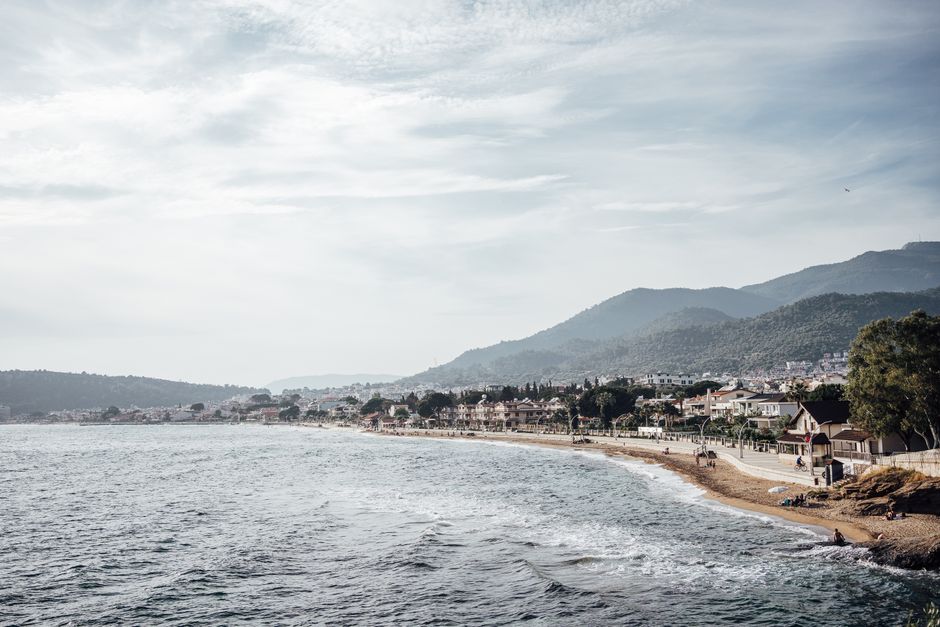
There is no single "best" beach in Europe — the continent is simply too varied for that. The clear, sheltered waters of the Mediterranean feel a world away from the surf-battered Atlantic or the pine-fringed shores of the Baltic, and what counts as a perfect beach depends entirely on what you're after: warm, calm swimming; big waves and windsurf; long empty sands for walking; or a lively resort with everything on tap. Rather than attempt a ranking, this guide groups notable coastlines by region so you can match a stretch of coast to the kind of trip you have in mind. Each area below has its own character, season and mood.
The Mediterranean
The Greek islands
From the volcanic shores of the Cyclades to the greener Ionian isles, Greece offers everything from busy resort strands to tiny pebbled coves reached by boat.
Sardinia, Italy
Famous for exceptionally clear, turquoise water and white-sand bays, particularly along its northern and eastern coasts.
The Dalmatian coast, Croatia
A long, island-scattered coastline of pebble beaches and clear Adriatic water, backed by historic towns.
Spain's coasts and the Balearics
Wide sandy resort beaches on the mainland and quieter coves on islands such as Menorca and Mallorca.
The Atlantic
The Algarve, Portugal
Golden cliffs, sea caves and sheltered coves along the country's southern coast, with bigger surf beaches further west.
South-west France
The long, straight Atlantic beaches around the Landes and Biarritz are known for wide sands and a strong surf culture.
Cornwall and west Wales, UK
Dramatic, often bracing beaches with excellent surf, rock pools and coastal walking — beautiful even when it's not warm enough to swim.
The west of Ireland
Wild, wide Atlantic strands beneath big skies, quiet and elemental rather than resort-like.
The Baltic and the north
The Baltic coast
Long, gently shelving sandy beaches backed by dunes and pine forest along the German, Polish and Baltic-state shores — cooler water, but glorious light on a long summer's day and far quieter than the Mediterranean.
The Danish and Dutch coasts
Broad North Sea beaches, bracing and expansive, popular for long walks, kite-flying and windswept escapes rather than warm-water swimming.
Scottish and Scandinavian shores
Further north still, you'll find astonishing white-sand beaches with turquoise-looking water that is genuinely cold — beautiful for scenery and walking, and largely deserted.
Good to know
Water temperature, crowds and facilities vary hugely by region and season. The Mediterranean is warmest in high summer and stays swimmable well into autumn in the south, while northern and Atlantic beaches can be beautiful but bracingly cold for much of the year. Some beaches are remote and undeveloped, with few or no amenities, while others are fully serviced resorts with everything within reach. Local conditions such as currents, tides and wind matter for safety, especially on the open Atlantic and North Sea, so pay attention to any flags or warnings, read local guidance, and check current details before you travel. A beach that is idyllic in July can feel very different out of season, which is part of what makes Europe's coast so rewarding to explore.
For island coastlines specifically, see our guide to Corsica. Getting there by rail? See our train travel tips, or browse all our destinations.