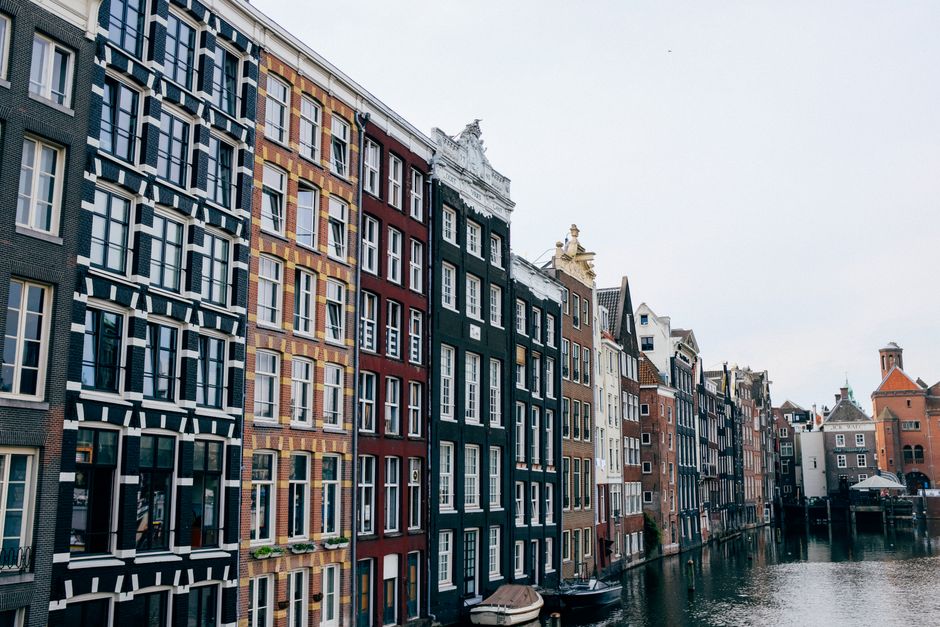
The Dutch capital is built around a ring of concentric canals, which makes orientation surprisingly easy once you accept that you will get pleasantly lost at least once. These ten ideas cover the classics without turning the trip into a checklist.
Ten ideas for a first visit
- Walk the canal ring. The 17th-century Grachtengordel is a UNESCO World Heritage Site. Following it on foot, bridge by bridge, is the single best way to feel the shape of the city.
- The Rijksmuseum. The national museum holds the great Dutch masters, including Rembrandt's The Night Watch. Even a short visit rewards you.
- The Van Gogh Museum. The world's largest collection of the artist's work, arranged to trace his development. It is deservedly popular, so plan ahead.
- The Anne Frank House. A sober, essential stop in the actual annexe where the Frank family hid. Book well in advance and allow time to reflect.
- Explore the Jordaan. Former working-class district turned characterful neighbourhood, full of narrow lanes, small galleries, cafés and quiet courtyards.
- Cycle like a local. Amsterdam is one of the most cycle-friendly cities anywhere. Hiring a bike, even for an afternoon, changes how the city feels.
- Relax in the Vondelpark. The city's best-loved green space, ideal for a picnic, a run or simply watching Amsterdam go about its day.
- Browse a market. The Albert Cuyp is the classic street market for food and everyday goods; smaller specialist markets appear across the week.
- See the Begijnhof. A hidden courtyard of historic houses just off the busy centre — a moment of calm that many visitors miss entirely.
- Take a canal boat. A water-level tour reveals gable houses and bridges from the angle they were designed to be seen from.
Neighbourhoods beyond the centre
Much of what makes Amsterdam rewarding lies just outside the busiest tourist streets. The De Pijp district, home to the Albert Cuyp market, has a relaxed, multicultural feel and some of the city's better-value cafés. Across the water to the north, reached by a free ferry behind the central station, the former shipyards of Amsterdam-Noord have been reinvented as a creative quarter of studios, food halls and viewpoints. The eastern islands and the leafy streets around the Oosterpark reward anyone who likes to walk without a fixed plan. Even a first-time visitor benefits from setting aside half a day simply to drift, coffee in hand, and let the city's rhythm reveal itself rather than dashing between headline sights.
The city also does calm surprisingly well. The Begijnhof is not the only quiet courtyard; the canal belt hides dozens of them, and the many small brown cafés — traditional wood-panelled bars — are made for a slow afternoon watching the boats go by. This gentler side is easy to miss if you only chase the checklist.
Popular museums release tickets on set schedules and sell out in busy periods. Opening arrangements change seasonally, so check current details before you travel and reserve the big three where you can.
Getting around
The historic centre is compact and best covered on foot or by bike. Trams, buses and a metro fill in longer distances, and a rechargeable transit card covers all of them. From the airport, frequent trains reach the central station in well under half an hour. Cars are more hindrance than help in the centre — parking is limited and expensive — so most visitors leave driving out of the equation entirely.
If you are planning a longer European itinerary, Amsterdam is an easy hub. It connects to a wider low-country and German trip via our guide to exploring Europe by rail, works beautifully as one of Europe's best weekend breaks, and sits alongside dozens of other ideas on our destinations hub.