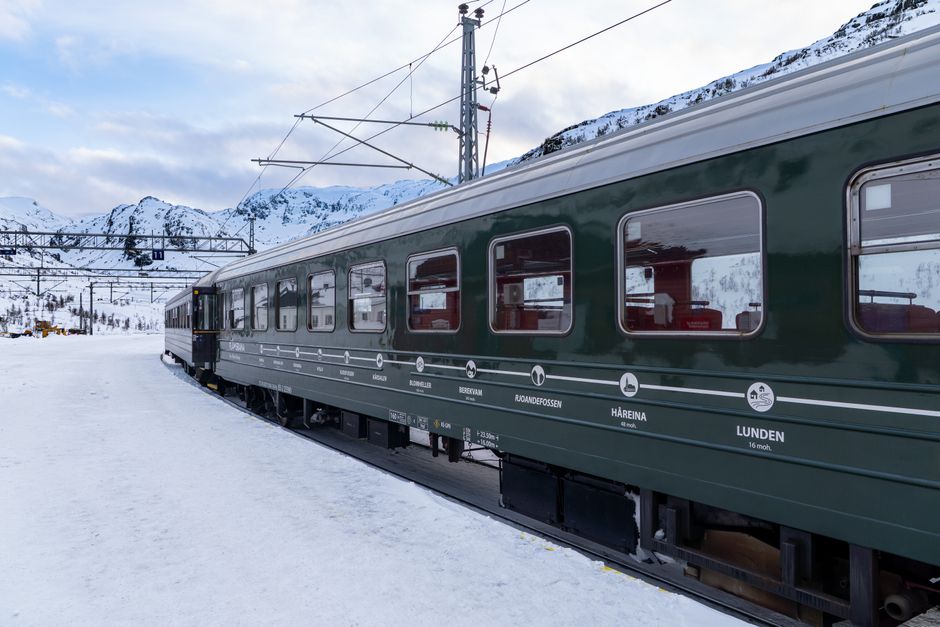
Few parts of the world are as well suited to train travel as Europe. Cities sit close together, tracks connect almost everywhere, and stations tend to land you right in the centre rather than at an airport far from town. You trade a little speed for a lot of comfort: room to move about, scenery through the window, and none of the queues, transfers and baggage rituals that flying involves. For a multi-stop trip in particular, the train is often the sensible choice as well as the pleasant one.
Why go by train
- City centre to city centre. You arrive where you actually want to be, saving the time and cost of airport transfers at both ends of the journey.
- The journey counts. Alpine passes, coastlines and river valleys turn travel time into part of the trip rather than dead time to be endured.
- Room and rhythm. You can walk about, work, read, share a meal or simply watch the landscape change — an altogether easier pace than a cramped flight.
- Lower emissions. Train travel is generally far kinder to the environment than short-haul flying, which matters more to many travellers than it used to.
How the network fits together
Most European countries run their own national rail company, and these networks connect at the borders so you can cross between them with little fuss. Broadly, services fall into three types:
- High-speed lines link major cities quickly — think of the fast routes connecting Paris, Brussels, London, Barcelona, Madrid and much of Germany and Italy, where journeys that once took most of a day are now a matter of hours.
- Regional and intercity trains fill in everything else, reaching smaller towns and scenic corners the fast lines skip entirely. These are often where the most memorable views turn up.
- Sleeper trains have enjoyed a revival on some longer routes, letting you cover distance overnight and wake refreshed in a new city, saving a night's accommodation into the bargain.
Passes versus point-to-point tickets
You have two broad options. A rail pass gives a set number of travel days across many countries and suits flexible, multi-stop trips where plans may shift. Individual tickets can work out cheaper for a fixed, simple route, especially when booked well ahead. Which is better depends entirely on your plans — how many journeys you'll make, how far in advance you know them, and how much freedom you want to change your mind along the way.
Good to know
- Book high-speed routes ahead. Fares on the fast lines typically rise as departure nears, while slower regional trains are often fixed-fare and turn-up-and-go.
- Validate where required. Some countries still ask you to validate paper tickets before boarding — check the local rule to avoid a fine.
- Mind the timings. Cross-border connections can be tight, so leave a sensible buffer between trains, especially with luggage.
- Pack light. You carry your own bags on and off, and up the occasional flight of steps, so a smaller case makes the whole trip easier.
Timetables, fares and pass rules change regularly and vary from country to country, so always confirm current details before you travel.