Europe's rail network is dense, extensive and generally reliable, connecting large cities and small towns alike. Trains often deliver you into the heart of a city rather than an out-of-town airport, and the journey itself is part of the trip. These practical pointers apply across most of the continent, whatever route you take.
Booking and tickets
- Understand the two ticket types. Long-distance and high-speed services frequently offer cheaper advance fares tied to a specific train; regional and local services usually sell flexible tickets you can use on any departure.
- Book early for the best long-distance fares. Prices on popular high-speed routes tend to rise as trains fill.
- Watch for reservation requirements. Many high-speed and international trains require a seat reservation in addition to your ticket or pass, and berths on night trains must be booked ahead.
At the station and on board
- Arrive with time to spare at large stations. Big-city terminals can be sprawling, and platforms are sometimes announced only shortly before departure.
- Check whether you need to validate a ticket. In some countries paper tickets must be stamped at a machine before boarding; failing to do so can mean a fine.
- Travel light where you can. There are no dedicated baggage handlers — you carry your own luggage on and off, sometimes up steps, and store it on overhead or end-of-carriage racks.
- Keep valuables with you. As on any busy transport, keep an eye on your belongings, especially at crowded stations.
Good to know: station names and city names don't always match, and large cities may have several stations. Confirm which station your train leaves from and arrives at, particularly when you have a connection.
Connections and planning
- Allow realistic connection times. A tight change across a large, unfamiliar station can be stressful; a little buffer protects the rest of your day if the first train runs late.
- Note that borders are usually seamless. Within much of Europe, crossing between countries by train involves no stop at all, though some routes still have occasional checks.
- Plan overnight journeys deliberately. Sleeper trains can save a night's accommodation and cover long distances while you rest, but comfort levels vary and berths tend to sell out well ahead.
- Have a backup for missed connections. Know when the next service runs on your route so a single delay doesn't derail the whole day.
- Take some food and water for longer legs. Not every train has a buffet car, and station shops can be limited early or late in the day.
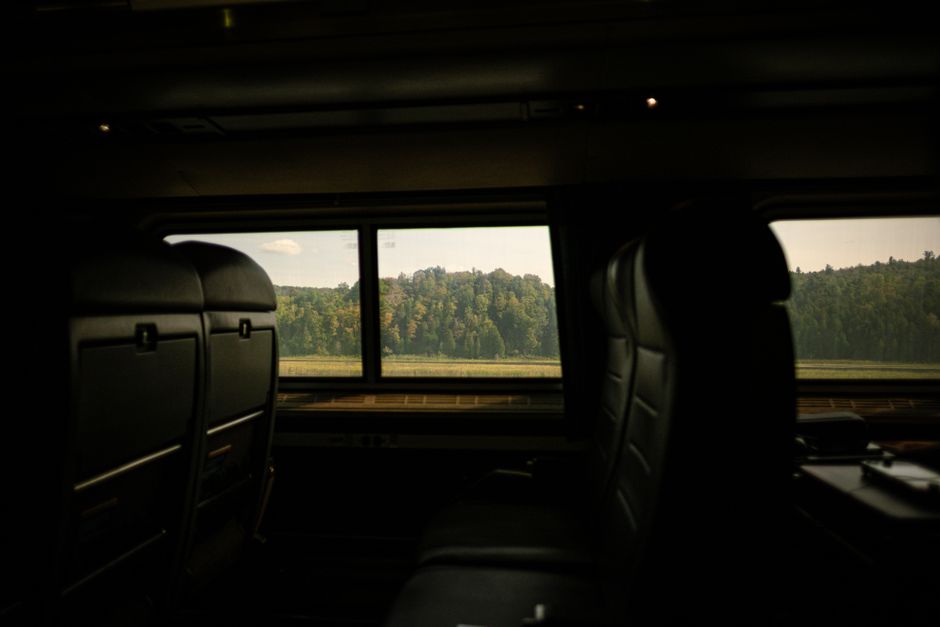
Part of the appeal of rail travel is that it lets you see the landscape between destinations rather than flying over it, and it drops you in city centres rather than distant airports. A slower pace, a window seat and time to read or watch the scenery pass are all part of the experience, so it's worth planning journeys you'll enjoy rather than simply the fastest ones.
Timetables, fares and reservation rules differ by country and change over time, so check current details before you travel. To weigh up how to pay for it all, see our guide to choosing a rail pass and our overview of exploring Europe by rail. For city bases along the way, see our Paris budget guide, or browse all destinations.