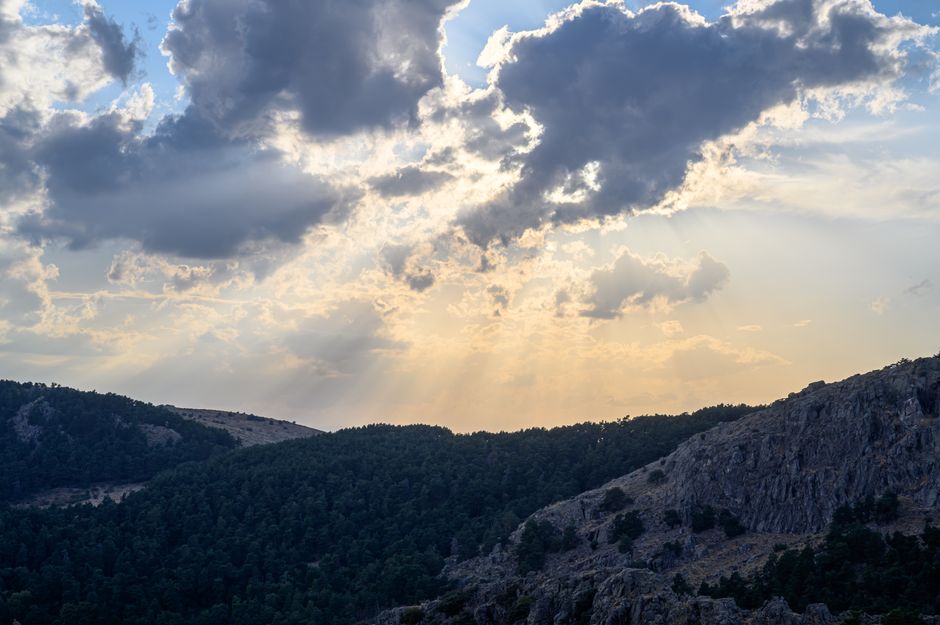
Few countries pack in as much variety as Spain. Within a single trip you can move from a great cultural capital to a sleepy fishing village, from mountains to Mediterranean coast, and from Roman ruins to some of the boldest modern architecture in Europe. Its appeal is broad and durable, which is why it draws so many repeat visitors — the reasons below hold true whichever year you choose to go.
Five reasons
1. Cities with real character
Madrid and Barcelona lead the way, but Spain's smaller cities are half the pleasure: Seville's Moorish heritage, Granada's Alhambra, Valencia's mix of medieval old quarter and futuristic architecture, and San Sebastián's celebrated food scene in the Basque north. Each has its own dialect of Spanish life. Our guides to Valencia and Barcelona on a budget are a good place to start planning.
2. A serious food culture
Eating is central to Spanish life, and it is sociable by design. Tapas — small plates shared over drinks — is a way of spending an evening as much as a meal, and regional specialities run from paella on the eastern coast to pintxos in the Basque Country and cured hams inland. Meals run late by northern-European standards, so it pays to adjust your clock and lean into the rhythm.
3. Coast and climate
With long Mediterranean and Atlantic coastlines, plus the Balearic and Canary Islands, Spain offers everything from lively resort beaches to quiet, hard-to-reach coves. The climate is generally warm and sunny, though it varies a great deal between the greener, cooler, wetter north and the hot, dry interior and south.
4. Art and architecture
Madrid's great galleries, Gaudí's singular works in Barcelona, and centuries of Moorish, Gothic and Renaissance building make Spain a rich seam for anyone interested in art and design. Even a casual wander through an old town tends to turn up something worth a second look, from a tiled courtyard to a carved doorway.
5. An easy, sociable pace
Spanish life leans towards the outdoors and the communal — plazas full of people in the cool of the evening, long lunches, and a relaxed approach to time. It is an easy country in which to slow down, sit outside, and simply watch the day go by.
Which part to choose
Spain is large and regionally distinct, so it helps to decide what kind of trip you want before you book. The north — Galicia, Asturias, the Basque Country — is greener, cooler and better for food, hiking and rugged coast. The centre, around Madrid, is all high plains, art and history. The south, Andalusia, brings the Moorish palaces, whitewashed towns and the strongest sun, while the eastern coast and the islands are where most of the beach holidays happen. Trying to see all of it in one go rarely works; picking one or two regions and exploring them properly tends to make for a far better trip.
Getting around
Spain has an extensive high-speed rail network linking the major cities quickly and comfortably, which makes a multi-city trip straightforward; see our rail overview for how it fits into the wider European picture. Regions differ in language and custom — Catalan, Basque and Galician are spoken alongside Spanish in their areas — and that variety is part of the appeal rather than an obstacle. As ever, timetables, transport passes and local arrangements change, so check current information before you travel.