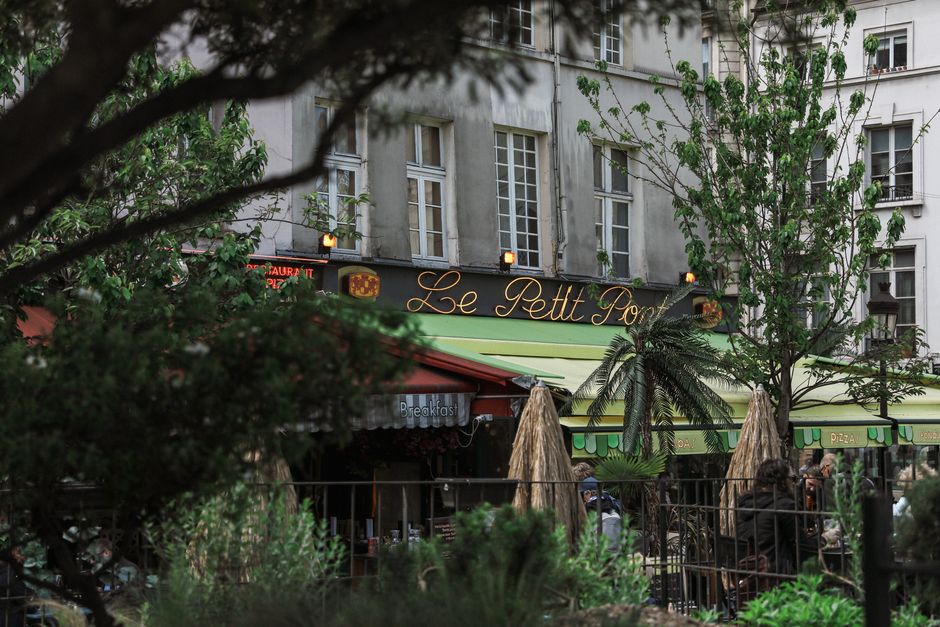
Paris is organised into numbered districts, the arrondissements, spiralling outward from the centre like a snail's shell. As a rule, the lower the number the more central — and generally the more expensive — the address. Move outward and prices ease while the Métro keeps everything within easy reach. Understanding that simple layout is the key to finding value here, because a room one or two districts out can cost considerably less while still leaving you a short ride from the sights.
Areas worth considering
- The central arrondissements (1st to 4th) — the most walkable to the headline sights and the most expensive. Lovely to stay in, but you pay handsomely for the postcode.
- The 10th and 11th — lively, well-connected districts with a strong café, bar and food scene, often much better value than the centre and popular with younger travellers.
- Montmartre and the 18th — characterful and hilly, with a range of budget options, though quality and atmosphere can vary from one street to the next.
- The Latin Quarter and the 5th — student energy and a genuinely central feel, with plenty of smaller, older hotels tucked down its streets.
- Just outside the ring (the near suburbs) — quieter and cheaper, a sensible choice if you're happy to ride the Métro or the RER into town each day.
What affects the price
Season matters a great deal: spring and early autumn are popular, and big trade shows and fashion weeks tighten availability across the city. Beyond timing, the familiar factors apply — how central you are, the size of the room (Parisian budget rooms can be genuinely small), whether breakfast is included, and how early you book. Independent hotels and small guesthouses can offer real character and value, while hostels remain the cheapest route for solo travellers and those happy to share.
Good to know: many older, cheaper hotels have compact rooms and may lack a lift, so check the details if either matters to you. Rates move constantly — treat any figure you're quoted as a snapshot, and check current details before you travel.
Getting around from your base
Paris has a dense Métro network plus the regional RER, so being a little way out rarely costs much time. Choosing a hotel near a couple of intersecting Métro lines can be more useful than chasing a central address, because it gives you quick, direct routes to more of the city. Walking is also a pleasure here; a base near the river or a well-served station opens up the whole city on foot as well as by rail, and half the joy of Paris is simply strolling between neighbourhoods.
Practical tips
- Look one or two arrondissements out from the very centre for better value with little real loss of convenience.
- Book earlier for spring, autumn and event weeks; parts of late summer can actually be quieter.
- Read recent reviews for comments on room size, noise and stairs, all of which vary a lot in budget properties.
- Check transport links on a map — proximity to a couple of Métro lines often beats proximity to a single landmark.
- Confirm which station or airport you'll arrive at and how you'll reach your room from there before booking.
Arriving or leaving by rail? See our train travel tips and guide to choosing a rail pass, or browse all our destinations.