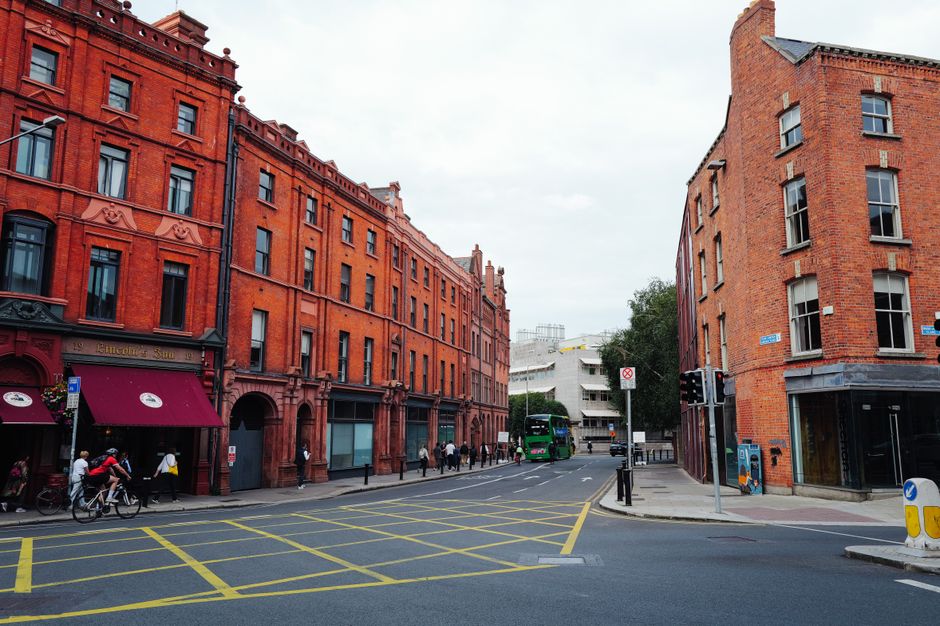
Dublin rewards travellers who plan ahead. As a popular capital with a limited stock of central rooms, it fills up quickly around rugby internationals at the Aviva Stadium, big concerts, and the run-up to St Patrick's Day in mid-March, and room rates rise sharply whenever demand is high. If you have any flexibility over your dates, that flexibility is your single most useful tool for keeping costs down. Shifting a trip by a week, or simply travelling midweek rather than at the weekend, can change what you pay far more than any other single decision.
Areas worth considering
You do not need to stay in the very centre to enjoy Dublin. The city is small enough that a short walk, bus or tram ride puts most of it within reach, and looking just outside the tourist core is often where the value lies.
- City centre (around O'Connell Street and Temple Bar) — most convenient for sightseeing on foot, but also the busiest and usually the priciest. Streets near the nightlife can be noisy well into the night, so it's worth checking which side of the river and which street you'll actually be on.
- The Liberties and the area around St James's Gate — close to the historic brewing district and a short walk from the centre, often better value than the core and full of character.
- Smithfield and Stoneybatter — a quieter, characterful pocket north of the river with good tram links and a growing number of cafés and small guesthouses.
- Ballsbridge and the southern suburbs — leafy and residential, a little further out but well connected and often calmer, handy if you value a good night's sleep.
- Near the airport or along the coast (Howth, Dún Laoghaire) — worth a look if you have a car or don't mind a train ride, and the seaside towns are genuinely pleasant places to base yourself in their own right.
What affects the price
Beyond your dates, a handful of things tend to move the cost of a room. Proximity to the tourist core matters most, followed by whether breakfast is included and how far in advance you commit. Guesthouses and smaller family-run places — a long-standing feature of Irish travel — sometimes undercut the chain hotels while offering more personality and a warmer welcome. Hostels, many of which now offer tidy private rooms as well as dorms, remain the most economical option for solo travellers and small groups, and a good number sit within walking distance of the main sights.
Good to know: rates and availability shift constantly, so treat any figure you see as a snapshot rather than a fixed price. Compare a couple of sources, read recent reviews for an honest sense of cleanliness and noise, and check current details before you travel.
Practical tips
- Book earlier for weekends and event periods; midweek stays are usually noticeably cheaper.
- Consider staying slightly out and using public transport — Dublin's buses, the Luas tram lines and the DART coastal rail are straightforward and inexpensive to use.
- Look closely at what's included. A room with breakfast thrown in can work out better value than a cheaper room where you'll pay for it separately each morning.
- Check the location on a map rather than trusting a neighbourhood name; the phrase "city centre" covers a surprising amount of ground here.
- If you're arriving late or leaving early, factor in how you'll reach your accommodation from the airport or ferry port before you book.
With a little planning, Dublin is an easy city to enjoy on a modest budget. Once you've sorted a base, the rest of the country is close: Ireland's compact size makes day trips and onward travel simple, and the capital works well as a first stop on a longer journey.
Planning a wider trip? See our guides to budget stays in Paris and Munich, or browse all our destinations.