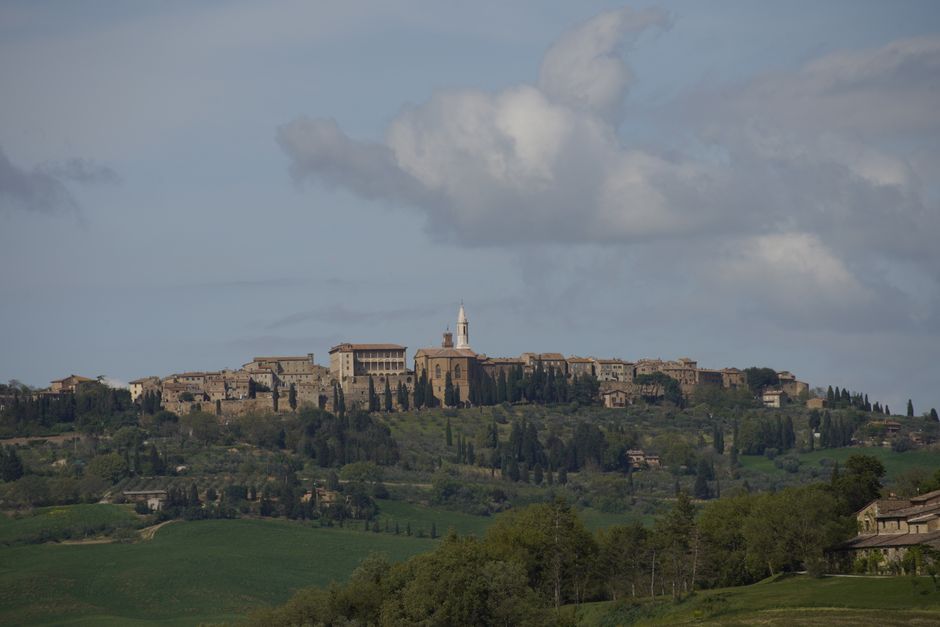
Few countries reward independent travel like Italy. An efficient rail network links the headline cities, regional food changes every few hours down the map, and there is enough variety — Alpine lakes, Renaissance cities, coastline and islands — to fill a fortnight or a season. Here is how to think about a route.
A classic route, north to south
The north
Milan, the lakes and Venice make a strong opening. Add Verona or the university city of Bologna as you head south — both are easy, affordable stops on the main line.
The centre
Florence and Tuscany for art and hill towns, then Rome, where you could happily spend several days. This stretch holds much of Italy's headline heritage.
The south
Naples, the Amalfi coast and Pompeii bring a rougher, sunnier energy. Backpackers with more time push on to Sicily or Puglia.
How long to allow
How much of this you attempt depends entirely on your time. A single week is enough for a satisfying slice — say Venice, Florence and Rome, the classic first-timer's triangle, all linked by fast trains. Two weeks let you add the north's lakes or push south to Naples and the coast. A month or more, the luxury of the true backpacker, opens up Sicily's ancient temples, the trulli houses of Puglia and the wild, under-visited corners that most itineraries skip. The temptation is always to cram more in; resist it. Italy rewards the traveller who lingers over long lunches and second coffees far more than the one racing to tick off a list, and the country will still be there for a return trip.
It also helps to think in regions rather than a single national blur. Each has its own dialect, dishes and pace — Tuscany feels nothing like Naples, and Venice nothing like Bologna. Choosing two or three regions to explore properly usually beats trying to see the whole peninsula at once.
Budget tips
- Travel by train. Regional trains are inexpensive and reach almost everywhere; the faster inter-city services save time between big hubs. Booking the high-speed lines ahead tends to be cheaper.
- Eat like a local. Standing at a bar for coffee, buying from bakeries and markets, and choosing family-run trattorias away from the main squares all stretch a budget.
- Base yourself and day-trip. Staying a few nights in one hostel and radiating out by train is cheaper and less tiring than moving every day.
- Go in shoulder season. Late spring and early autumn bring lower prices and thinner crowds than the peak summer months.
Rail fares, city taxes and museum arrangements shift over time, and some major sites now require timed entry. Check current details before you travel, and reserve popular attractions where you can.
Good to know
Italy is generally safe, but pickpocketing is a nuisance around crowded stations and famous monuments — keep bags in front of you and stay alert on packed transport. Many churches expect covered shoulders and knees, so pack a light layer. Shops and sights often close in the early afternoon in smaller towns, and Sundays are quieter everywhere. Learning a handful of Italian phrases goes a long way with people who appreciate the effort.
Plan the connecting legs with our guide to exploring Europe by rail, dig into one city in depth via backpacking Bologna, and find the rest of the continent on the destinations hub.