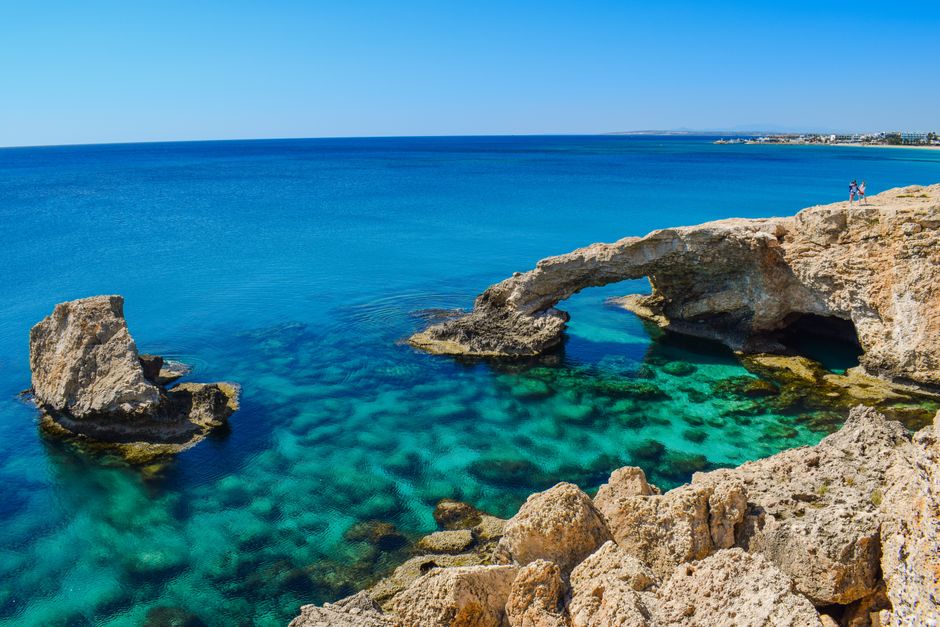
The island is divided between the Republic of Cyprus in the south and the northern third administered by the Turkish Cypriot community, with a UN buffer zone running through the middle. That history is complicated, but for a traveller it means genuine variety within a short drive. Here are the reasons the island stays on so many return lists.
1. Two cultures, one island
Greek Cypriot and Turkish Cypriot traditions sit side by side — different languages, cuisines and places of worship, often within an hour of each other. Few destinations pack this much contrast into so small a space.
2. Deep layers of history
Cyprus has passed through Greek, Roman, Byzantine, Lusignan, Venetian and Ottoman hands. The mosaics at Paphos and the ancient theatres are among the most complete anywhere in the region.
3. A very long warm season
The climate is reliably mild, with a swimming season that stretches well beyond the European summer. Spring wildflowers and autumn light are especially good for walking.
4. Beaches to suit every mood
From the busy sands near Ayia Napa to the quieter coves of the Akamas peninsula and the long shorelines of the north, there is a beach for both families and solitude-seekers.
More reasons the island earns its reputation
- The Troodos mountains. Pine-covered slopes, painted Byzantine churches and cool villages give a completely different Cyprus from the coast — good for hiking and a break from the heat.
- Walled cities. Nicosia is the last divided capital in Europe, while Famagusta and Kyrenia in the north carry striking Venetian and medieval fortifications.
- Food worth travelling for. Meze culture runs deep here: halloumi, grilled meats, fresh fish and Cypriot wines that predate many better-known European vineyards.
- Genuine hospitality. Both communities take pride in welcoming visitors, and the pace away from the resorts is unhurried.
- Archaeological depth beyond the headliners. The Tombs of the Kings, ancient Kourion and Salamis reward anyone with an interest in the classical world.
- Easy to combine. Distances are short, roads are good, and a single trip can take in mountains, ruins and two coastlines without long transfers.
The two capitals and the walled north
Nicosia, split between the two communities, is the one place where the island's division is most visible to a visitor. Wandering its old town, crossing at the pedestrian checkpoint and seeing the same street architecture continue on both sides is a genuinely thought-provoking experience, and one that shapes how you read the rest of the island. In the north, the harbour town of Kyrenia curves around a Venetian-era castle, while Famagusta's massive walls enclose churches and ruins that speak to the island's Lusignan and Ottoman past. Neither feels like a museum piece; both are lived-in working towns.
The south, meanwhile, balances its ancient sites with a more developed tourist infrastructure. Limassol has grown into a lively coastal city with a restored old quarter and a marina, while Paphos wears its archaeology lightly, with mosaics and tombs sitting a short walk from the seafront. Between them, wine villages climb the foothills, many still pressing grapes from vines that have grown here for millennia.
Crossing between north and south is possible at official checkpoints, but the rules, documents and any car-hire conditions change from time to time. Check current details before you travel, and confirm what your insurance and rental agreement allow.
Good to know
The south uses the euro; the north uses the Turkish lira, so carry a little of each if you plan to cross. Driving is on the left, a legacy of British administration, which many UK visitors find reassuring, and the road signs are generally clear. Distances feel small — you can base yourself in one place and day-trip widely, and few journeys across the island take more than a couple of hours. If you want to understand the whole island rather than just a resort, plan at least a few days that deliberately mix coast, mountains and old towns. Summers are hot and dry, so the mountains and early mornings offer welcome relief; spring and autumn are the most comfortable seasons for walking and sightseeing.
Cyprus pairs naturally with other sun-and-history breaks. If you are mapping out a wider route, our destinations hub is a good starting point, and travellers drawn to the coast here often enjoy Europe's best beaches. For a very different flavour of the same broad region, compare it with the bazaars and mosques covered in our guide to Istanbul's Grand Bazaar.