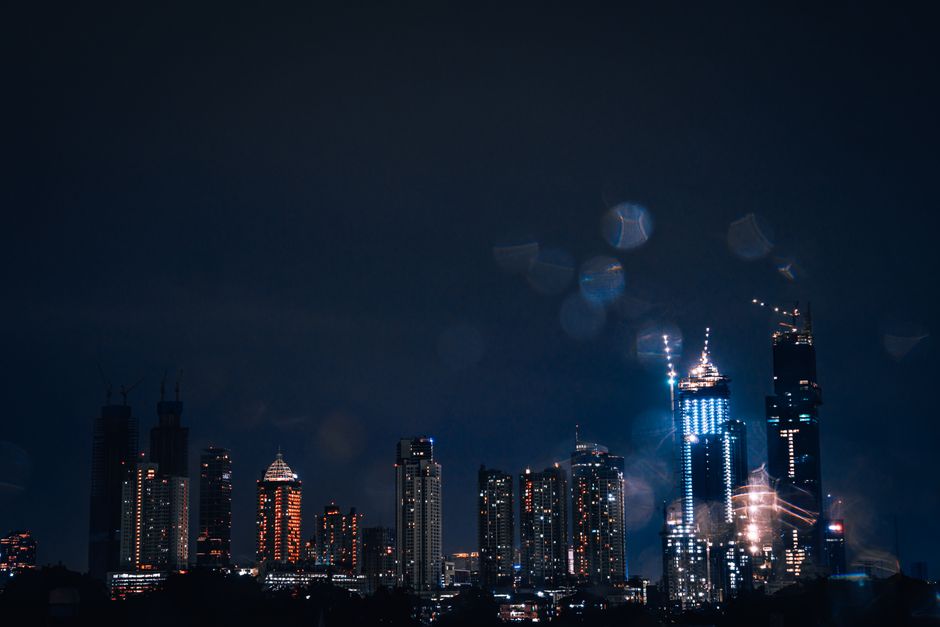
Nightlife means very different things across Europe. A "big night" can be an all-hours techno club, a run of tiny back-street wine bars, or a beach party that only really gets going after midnight. What ties the ten cities below together is a lasting reputation for late nights — but the experience depends heavily on the neighbourhood you pick, the night of the week, and your own idea of a good time. Treat this as a starting map rather than a ranking; every one of these places has quieter corners too.
The ten
Berlin, Germany
Perhaps Europe's most talked-about club city, with a long-standing electronic-music culture centred on repurposed industrial spaces. Door policies can be famously selective and the pace unhurried; the scene rewards curiosity over flash, and many nights stretch well into the following day.
Ibiza, Spain
The Balearic island synonymous with dance music and open-air clubs. Ibiza Town and San Antonio are the traditional hubs, balanced by quieter coves and calmer villages elsewhere on the island for those who want the sun without the volume.
Amsterdam, Netherlands
Compact and walkable, with a mix of canal-side bars, live-music venues and clubs. Its liberal reputation is real but often overstated — plenty of visitors come simply for the relaxed café culture and an easy evening by the water.
Barcelona, Spain
A late-night city by habit, where dinner runs long and bars fill after midnight. The seafront draws one crowd and the Gothic Quarter another, and the warm climate keeps terraces busy for much of the year.
Prague, Czech Republic
Known for a lively bar scene and a deep beer culture that runs through everyday life. The old town gets busy and touristy; neighbourhoods a little further out tend to feel more local and better value.
Belgrade, Serbia
Famous for its splavovi — floating clubs and bars moored along the Sava and Danube — which come alive in the warmer months and give the city a distinctive, riverside nightlife found almost nowhere else.
Budapest, Hungary
Home to the "ruin bars," atmospheric venues set inside old courtyards and semi-derelict buildings, concentrated in the historic Jewish Quarter and full of mismatched furniture and character.
Madrid, Spain
A city that stays up naturally, with a dense spread of bars and clubs and a tradition of very late finishes at weekends. Locals often eat late and go out later still, so pace yourself early on.
Lisbon, Portugal
The Bairro Alto district is known for spilling out into the streets, with small bars clustered close together and an easy, wandering feel; nearby Cais do Sodré adds later, club-focused options by the river.
Kraków, Poland
Its large market square and the warren of cellars beneath the old town host a busy, good-value bar scene that draws visitors from across the continent, all within an easy walk of one another.
Good to know
Nightlife runs on local time, and that time varies. In much of southern Europe venues barely stir before midnight, while northern cities often start — and finish — earlier. Weeknights are almost everywhere quieter and cheaper than weekends, which can be worth knowing if crowds aren't your thing. Wherever you go, please drink responsibly, keep an eye on your belongings in busy areas, and be mindful that many of these districts are also home to residents. Venues, door policies and neighbourhood fashions change quickly, so check current details before you travel.