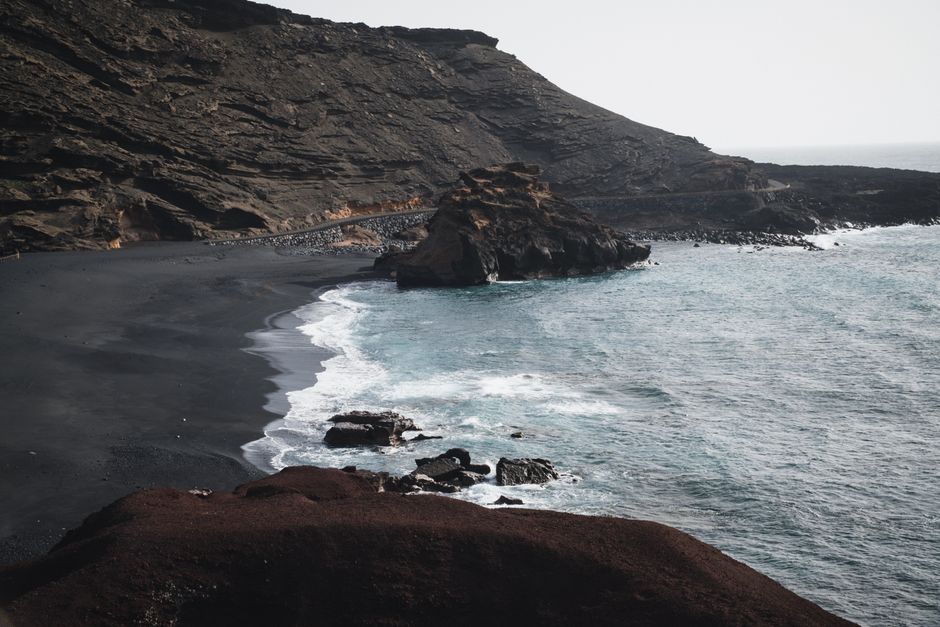
Sitting in the Atlantic far south of mainland Spain, the Canary Islands enjoy a mild climate through the whole year, which is the main reason they draw so many visitors. But lumping them together does them a disservice: a volcanic moonscape, a subtropical forest and a family beach resort can all be found here, just on different islands. This guide covers the character of each rather than any specific hotel.
Tenerife
The largest island, crowned by Mount Teide — Spain's highest peak and a national park. It ranges from lively southern beach areas to greener, cooler landscapes in the north and the historic town of La Laguna.
Gran Canaria
Often called a continent in miniature for its variety, from big southern dunes and resort areas to the mountainous, dramatic interior and the port city of Las Palmas.
Lanzarote
Distinctive for its volcanic scenery and the strong design legacy of artist César Manrique, whose work shaped a low-rise, art-conscious island around Timanfaya's lava fields.
Fuerteventura
The island for beaches above all — long stretches of pale sand and reliable wind that make it a favourite with windsurfers and those after a quieter, low-key stay.
The smaller islands
- La Palma. Green, mountainous and famously starry — its clear skies host major observatories, and it draws walkers rather than beach crowds.
- La Gomera. A hiking island of deep ravines and ancient laurel forest, reached by ferry and refreshingly undeveloped.
- El Hierro. The smallest and most remote of the main islands, prized for diving, quiet and a genuine sense of getting away from it all.
Choosing the right island for you
Because the islands differ so much, the single most useful decision is matching the island to the holiday you actually want. Travellers after guaranteed sunshine, big beaches and a wide choice of family-friendly resorts tend to head for the south of Tenerife, Gran Canaria or Fuerteventura. Those drawn to landscape, walking and a slower pace often prefer Lanzarote's volcanic drama, La Palma's green heights or La Gomera's forests. Active visitors find superb hiking on Teide and across the western islands, while the reliable Atlantic wind makes Fuerteventura and parts of Tenerife a magnet for surfers and windsurfers. There is genuinely something here for a lazy beach fortnight and for a hiking-boot adventure — the trick is not to expect one island to be all of it.
It is also worth remembering that the resorts, however well developed, sit on real islands with their own towns, markets and traditions. Stepping even a short distance inland — to a mountain village, a local restaurant or a market town — turns a package beach trip into something with more character and a better sense of place.
Ferry timetables between islands and access to natural sites such as Teide can be limited or need booking, and change with the season. Check current details before you travel if you plan to island-hop.
Good to know
The Canaries are part of Spain and use the euro, but sit in their own time zone, one hour behind the mainland. Each main island has its own airport, and ferries connect neighbours for island-hoppers. The climate is mild year-round, though the north of the larger islands is greener and cloudier than the sunny south. Microclimates are real here — it can be overcast on one coast and bright on the other — so choose your base with the kind of holiday you want in mind. Sun protection matters even out of season this far south.
For more coast-focused planning, see Europe's best beaches, compare the islands with mainland ideas in the best of Portugal, or browse the full destinations hub.