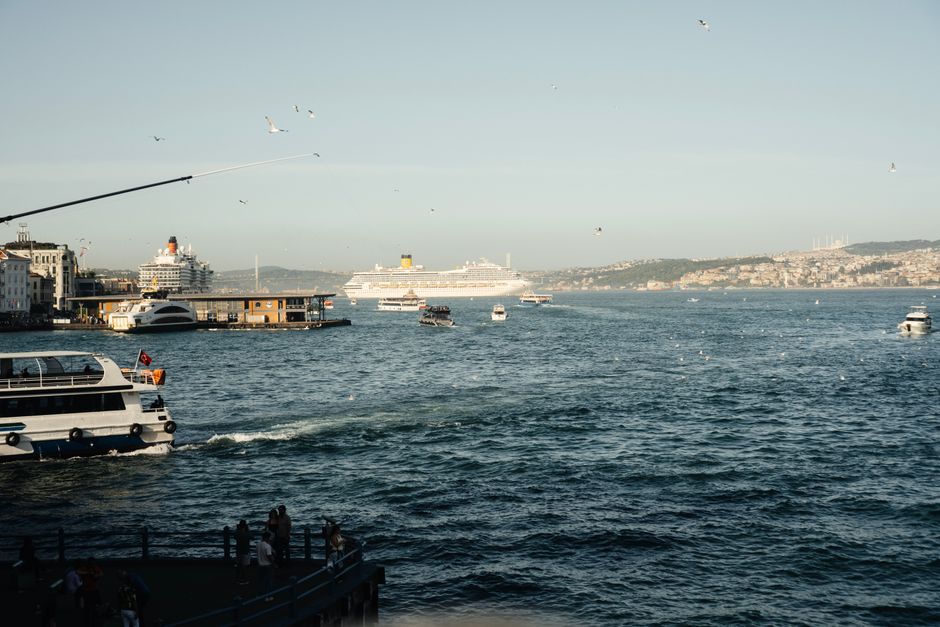
Cruising suits travellers who want to see a lot of coastline without repacking every night. Several major lines run Mediterranean itineraries, and this guide stays deliberately general — the aim is to help you understand the experience and the regions rather than to recommend any one company. Compare operators yourself and read recent, independent reviews before you commit.
The main cruising regions
Western Mediterranean
Typically links Spain, the south of France and Italy — think Barcelona, the Riviera, Rome's port at Civitavecchia and the Italian coast. A good introduction with big-name cities.
Eastern Mediterranean
Leans towards Greece, its islands and the Adriatic, sometimes reaching Croatia or Turkey. Strong on ancient history and island scenery.
Adriatic & islands
Venice, the Dalmatian coast and smaller ports offer a quieter, more scenic rhythm than the headline city stops.
Why cruising appeals — and who it suits
The great advantage of a cruise is efficiency: you unpack once and wake in a new place each morning, with the logistics of moving between them handled for you. For travellers who find multi-stop trips tiring, or who like the reassurance of a fixed base that happens to move, that convenience is genuinely valuable. Larger ships also carry their own entertainment, dining and pools, so the sea days between ports rarely feel empty. Families and multi-generational groups often find a cruise easier to organise than a string of hotels and transfers.
It suits some travellers better than others. If your idea of a good trip is settling into one town, getting to know its markets and coming back to a favourite café, the pace of a port a day may frustrate you. Cruising is best understood as a sampler — a way to preview a stretch of coast and work out where you would like to return for a proper stay — rather than a substitute for lingering. Many people use it exactly that way.
Choosing an itinerary
- Look at time in port, not just the port list. A day that arrives late and leaves early gives you far less than the brochure map suggests.
- Check how far the port is from the city. Some famous stops involve a long transfer from the quay — Rome and Florence are reached from ports some distance away.
- Balance sea days and port days. Sea days are restful but you are paying for the sea, not the sights; a good itinerary mixes both.
- Match the season. Shoulder seasons are cooler and less crowded; peak summer is hot and busy at every stop.
Making the most of a short day ashore
With only hours in each city, a little planning goes a long way. Decide in advance on one or two priorities rather than trying to see everything. Independent exploration on foot or by public transport is often cheaper and more flexible than organised excursions, though the ship's own trips reduce the risk of missing departure. Always know the all-aboard time and build in a comfortable margin — ships do not wait.
Itineraries, port calls and any onboard arrangements change from season to season and can be altered at short notice for weather or operational reasons. Treat published schedules as a guide and check current details before you travel.
Good to know
Life on board runs to a rhythm of meals, sea days and early port mornings. Pack for both smart evenings and hot city walking, keep travel documents accessible for each country you call at, and note that a single cruise may cross several currencies even within the euro zone's neighbours. If you would rather see one place properly than many places briefly, a land-based trip may suit you better — but for a first, wide sweep of the coast, cruising is hard to beat.
Many of the ports on these routes are worth a longer stay in their own right. Explore the coastlines in more depth via Europe's best beaches, plan land legs with exploring Europe by rail, or browse individual cities on the destinations hub.